Acid indigestion

Heartburn, also known as pyrosis or acid indigestion is a burning sensation in the chest, just behind the breastbone or in the epigastrium. The pain often rises in the chest and may radiate to the neck, throat, or angle of the jaw. Continue reading

Acidophilus and antibiotics

If one knows the difference between the words “anti-biotic” and “pro-biotic,” then the immediate  need for acidophilus while taking antibiotics is made clear. An anti-biotic means “against life” while a pro-biotic means “for life.” If you take something that is against life, then you better well take a countermeasure such as a pro-biotic, i.e., acidophilus, to assure a balance. Continue reading

11 Very Easy Neck Exercises For Double Chin


Do you dread looking at yourself in the mirror everyday? Do you wear turtle necks all the time? Do you hate wearing your hair up? Do you dread photo opportunities? If you say YES to these questions, then you probably have a double chin.

Continue reading

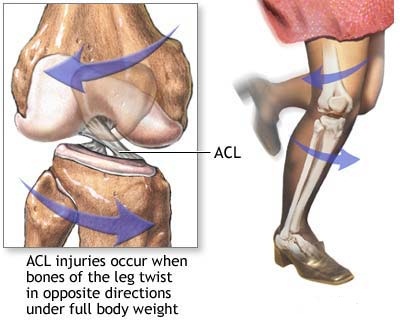
ACL exercises

The anterior cruciate ligament (ACL) is one of four knee ligaments that connect the upper leg bone (femur) with the large lower leg bone (tibia). The ACL stabilizes knee movement by: Continue reading

Things You Need to Know About Neck Lipo


Tired of having an extra shake everytime you shake your head? Had enough of the endless array of high-collared clothing that you have to buy each season? Do you just want to wear a bare necked or a low neckline shirt or blouse for a change? Getting rid of that double chin was indeed a very futile endeavor for you. It has been years of dieting and isolated workouts and still, your turkey wattle is still with you.

Continue reading

Understand Hypotension Symptoms

Hypotension or also known as low blood pressure is medical condition that can be life threatening. However, majority of people strive to have a normal blood pressure, but a low blood pressure can cause hypotension symptoms that may harm the person.

Generally, blood pressure varies from each person, in some cases; a reading of 90 systolic and 60 diastolic may mean low blood pressure. However, those who have constant high blood pressure, a reading of 100/60 may give symptoms of low blood pressure.

Considerably, if the low blood pressure does not give any alarming signs like dizziness, it is not considered low blood pressure. However, when symptoms like dizziness or fainting develops, hypotension may be the culprit.

There are various reasons for hypotension but the most common cause is dehydration. The causes for hypotension are can be treated, though, it is important that the main cause is known by the patient, in order to avoid serious problems later on.

What are the Hypotension Symptoms?

Hypotension symptoms can be a sign that there is underlying serious health problem. Especially if the sudden drop of low blood pressure is observed along with several symptoms. Some of the symptoms of hypotension may include:

  • Dizzy
  • Feeling of lightheadedness
  • Lack of focus
  • Thirsty
  • Blurry vision
  • Rapid pulse rate
  • Nausea
  • Tired
  • Anxiety
  • Cold clammy skin
  • Fainting

Symptoms of hypotension are generally ignored by majority of people as they dismiss it is non-serious. However, if symptoms of low blood pressure affect you in several occasions, it is recommended that you see your health care provider. Your doctor may run some routine exams to rule out serious causes.

What are the Causes of Hypotension?

Currently, the ideal normal blood pressure is equal or lower than 120/80 while majority believe that 115/75 is the most ideal. The blood pressure of a person varies from one person to another. The measurement of blood pressure is affected by different factors.

Factors that affect the measurement of blood pressure may include:

  • Physical condition
  • Foods and drinks
  • Breathing rhythm
  • Activities
  • Stress level

However, studies show that blood pressure is normally low at night and increases upon waking up in the morning.

Hypotension seems go unnoticed at times and may not cause alarm if it does not exhibit symptoms, however, if low blood pressure develop symptoms, it may need medical attention.

Your physician should know the possible causes of your hypotension. Some common causes of hypotension may include:

  • Pregnancy is one common cause of hypotension. A pregnant woman may observe that during the first twenty-four weeks of pregnancy, the diastolic pressure as well as the systolic may drop. This will normally return to its normal measure after giving birth.
  • Heart problems may also be the reason for hypotension. Heart conditions like heart valve problems, heart failure and heart attack may result to low blood pressure.
  • Endocrine problems can be another reason for hypotension. Hypothyroidism or hyperthyroidism can cause low blood pressure.
  • Other medical conditions like diabetes, hypoglycemia and Addison’s disease can also lead to low blood pressure.
  • Blood loss due to major injury or internal bleeding lessens the amount of blood in the body thus leading to sudden drop of blood pressure.
  • Dehydration can also lead to hypotension. Severe dehydration may even lead to death.
  • Anaphylaxis or severe allergic reaction may cause severe breathing problems, hives, itchiness and hypotension.

Aside from medical conditions, medications can also cause hypotension. Some medications that may affect the measurement of blood pressure are:

  • Beta blockers
  • Diuretics
  • Medications for Parkinson’s disease
  • Some kinds of antidepressants


What are the Treatments for Hypotension?

Some treatments for hypotension may include:


1. Drink water

Water is recommended to let the patient hydrated. Water increases the blood volume that is needed to normalize the blood pressure. 8 – to 12 glasses of water is recommended, and if you have hypotension, you may consider drinking more.


2. Use compression stockings
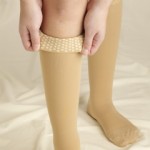
Elastic stockings are recommended to relieve the swelling of varicose veins. This may help in reducing the pooling of supply of blood in the legs area.


3. Medications

Medications are given to normalize the blood pressure and to prevent the sudden drop of the blood pressure.


4. Quit alcohol

Quitting alcohol is necessary since alcohol can cause dehydration and can cause sudden hypotension. Avoiding alcohol may lessen the symptoms of hypotension.


5. Have a healthy diet

A healthy diet which is composed of variety of foods may give you the all the nutrients your body needs. A variety of fruits, vegetables and fish is recommended for those who have hypotension.


Hypotension is a manageable health condition. However, if severe hypotension symptoms like fainting spells are observed, you have to visit your physician to rule out other serious conditions.

 

7 Common Nebulizer Medications


The nebulizer is an indispensable apparatus that helps patients breathe better. Most of those who benefit from this are those with COPD like asthma. During nebulizer treatments, nebulizer medications are used. These are converted into vapors so that the patient would be able to assimilate them directly in their lungs.

Continue reading

4 Ways to Take Care of Colic Baby

Your baby maybe affected by colic if he or she cries the same time each day and whatever you do to give comfort does not seem to help. Colic is characterized as crying for over three hours, more than three days up to three weeks that affects a healthy and well-fed baby.  If you observed your baby to cry with no apparent reason, it is recommended that you visit your pediatrician. Only a qualified healthcare provider can diagnose if your child is colic baby or not.

Colic seems to affect one out of ten babies. It is usually observed when the baby is usually few weeks old. Crying associated with colic may not seem ordinary since it is characterized with screaming, purple face and flailing arms. The fits normally happen during in the afternoon and evening.

This may affect your baby from six weeks and may improve when your child reaches 3 to 5 months. Parents of colic baby find it hard to handle the situation as parenting skills may be questioned by those who do not understand the condition.  However, keep in mind that this stage can be outgrown by your child.

What are the Symptoms of Colic?

Crying is normal for babies but what set them apart to be colic are some general symptoms. Some symptoms of colic may include are:

  • Changes in posture are observed with colic baby. Infants with colic normally curled their legs, clenched their fists and tensed abdominal muscles are observed.
  • Crying episodes are normally predictable. A baby with colic will cry at about the same time each day. The episodic crying normally happens in the afternoon and evening. The crying with screaming may start even the baby is not hungry.
  • Crying is extreme and high-pitched. Infant may have flush face and may not accept any comfort from you.
  • Infant may pass gas after episode of crying.

What are the Causes of Colic?

The exact reason of colic is not really known. There are various studies taken but still the possible reasons are unclear. However, various factors may affect colic. Some of these are:

  • Infant may have developed milk allergies. Milk allergies and milk intolerance are the first possible reason for non-stop crying.
  • The digestive system of a baby is not full develop and may cause unusual strong contractions that may be uncomfortable to infants.
  • Presence of intestinal gas
  • Hormone changes
  • Temperament
  • Maternal anxiety
  • Different ways the baby is comforted

Being a first time parents is not really related to colic. Even those experienced mothers may have colic baby. Likewise, the foods, a breastfeeding mothers eat do not really cause colic.

Formula milk is not really the culprit of colic, though, there are certain formulas that may relieve the symptoms of colic. Your colic baby may have lactose intolerance and will somewhat be relieved if their milk is lactose free.

However, the exact reason why colic babies have crying fits is not clearly known but as a parent, you may take time to study your babies. Your colic baby may be telling you something. Some of the things your baby is trying to say something may include:

  • May feel hungry. Your baby especially new born needs to be fed every few hours. Respond immediately when the baby shows signs of hunger.
  • The diapers may be wet. An ordinary infant without colic may cry due to dirty diapers but a colic baby may have screaming episodes if it have soiled diapers. To avoid this, you have to check your infant diapers from time to time to make sure that is not wet.
  • Your baby may want to have sound sleep. Avoid waking up your baby with unwanted noise as this may create colic episodes.
  • Your infant may want to feel your presence. Most of colic baby respond immediately when hugged or cuddled by their parents.

What are the Treatments for Colic?

There are no specific treatments for colic. You just need to handle your infant with more outmost care and comfort. Some ways that may help you deal with colic are:

1. Feed your baby

Feeding your baby may improve the symptoms of colic. It is just important to hold the baby the right way when you are feeding and burp your baby more often. This will avoid unnecessary fussiness on the part of your baby


2. Cuddling your baby

Cuddling your colic baby may soothe them immediately. The warm hug from the parents has a lasting effect on your baby. Do not worry that holding them much will spoil them. Sometimes, colic babies just want to feel the presence of people who love them.


3. Diet change

A lactose free diet may greatly improve the symptoms of colic. Some babies cannot tolerate the lactose present in their diet thus resulting to milk allergies.


4. Massage

Soft massage around the tummy may give relief to your crying baby. This may also reduce the tightening of muscles around the abdomen when they have fits.


For parents, it is important to understand that colic is for short term only. You colic baby will surely outgrow it when they reach around five months. Work closely with your pediatrician to make sure that your baby is healthy.

Acerola cherry

Malpighia emarginata is a tropical fruit-bearing shrub or small tree in the family Malpighiaceae. Common names include acerola, Barbados cherry, West Indian cherry and wild crapemyrtle. Acerola is native from Southern Mexico, Central and South America, but now being also grown as far North as Texas and in subtropical areas – Asia and India. It is known for being extremely rich in vitamin C although it also contains vitamins A, B1, B2 and B3 as well as carotenoids and bioflavonoids which provide very important nutritive value and have possible antioxidant uses. This vitamin C produced by the fruit is better absorbed by human organisms than synthetic ascorbic acid. Continue reading

Vital Concepts About Neck Lift Surgery


Have you already lost weight? Why is your face still lumpy especially on the underside of your chin? Many people have already given up getting rid of that sagging flesh the natural way. They have worked out half their lives already only to realize that their double chin or turkey wattle is still there.

Continue reading