4 Helpful Narcolepsy Treatment

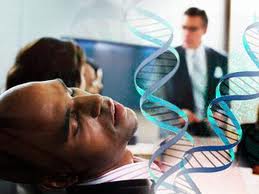
Narcolepsy is a chronic condition of sleep disorder wherein an irresistible daytime drowsiness and abrupt attacks of sleep takes place.  This will result to serious distraction in daily activities.  People who have narcolepsy frequently find it hard to stay awake for an extended period of time in spite of situations.  Narcolepsy is not associated to depression, fainting, seizure disorder, lack of sleep or other conditions that may cause irregular sleep patterns.

Unfortunately, narcolepsy has no cure.  But there are medications and lifestyle changes that can be consider as narcolepsy treatment that may help people affected with narcolepsy to deal with the symptoms.

What are the symptoms of narcolepsy?

For the first few years, symptoms of narcolepsy may get worse and persist for life.  Symptoms of narcolepsy may include the following.

  • The first symptom to come out in people affected with narcolepsy is an excessive daytime sleepiness.  An overwhelming drowsiness and an unmanageable need to sleep throughout the day are the main characteristics of narcolepsy.  People affected with narcolepsy fall asleep anywhere and anytime without even warning.  Like for instance, people with narcolepsy may unexpectedly fall asleep while working or talking with friends.  They may sleep just for a minute or up to half an hour before awakening and may feel recharged.  However, they may eventually fall asleep again.  There is a feeling of reduced attentiveness all through the day that may cause difficulty to focus and function completely.
  • There is an abrupt loss of muscle tone and is called cataplexy.  This can lead to physical changes like garbled speech to full weakness of the largest part of the muscles that may last for a few seconds to minutes.  Cataplexy is a condition that is unmanageable and is frequently cause by an extreme emotions like excitement or laughter, surprise, fear or anger.  Cataplexy occurs to some people affected with narcolepsy with one or two episodes in a year while some have several episodes in a day.
  • People affected with narcolepsy experience sleep paralysis.  This is the impermanent incapability to speak or move while falling asleep or upon waking.  These incidents are typically brief that last for one or two minutes but it can be terrifying.  People with narcolepsy may have knowledge of the condition and does not find it hard to remember it later on.  However, not everyone experiencing sleep paralysis is affected with narcolepsy.  There are a lot of people without narcolepsy encounter some events of sleep paralysis particularly during the young adulthood.
  • People with narcolepsy may experience hallucinations called hypnagogic hallucinations that take place when falling rapidly into sleep or upon waking.  As you begin dreaming, you may be half awake and experience the dreams as reality that it may appear distinct and scary.

What are the causes of narcolepsy?

The exact factors causing narcolepsy is not yet known.  Medical research considers genetics that may have a vital role.  Stress, illness or exposure to toxins may contribute to the occurrence of narcolepsy.

  • In narcolepsy disorder, there is an absence of non-rapid eye movement phase of sleep. They rapidly go into rapid eye movement phase of sleep both through the day and at night.  This is the reason why there is a sudden lack of muscle tone, vivid dreams and sleep paralysis for it is the characteristics of REM sleep.
  • Low level of hypochretin in the spinal fluid may contribute to the development of narcolepsy.  Hypochretin is the vital chemical present in the brain that helps to control the wakefulness and the REM sleep.  However, the reason causing the loss of cells producing hypocretin in the brain is not known.  But medical experts believe that it’s due to an autoimmune reaction.

What is the narcolepsy treatment?

The cure for narcolepsy is not yet known but there are medications that can help to deal with the narcolepsy symptoms and they are the following.

1.     Stimulant drugs.

The most important narcolepsy treatment is the stimulant drugs which stimulate the central nervous system.  It helps people affected with narcolepsy to keep wide awake all through the day.  Health care providers frequently try modafinil as first medication for narcolepsy treatment because it is not addictive as other stimulants.  Side effects of modafinil are not common but it may include, dry mouth, headache, anorexia, nausea and diarrhea.  It may also tend to increase blood pressure particularly at high doses.  Some may need narcolepsy treatment with methylphenidate or a variety of amphetamines.  Even though these medications are efficient, they may also cause side effects like heart palpitations, nervousness and can also be addictive.

 2.     Selective serotonin or norepinephrine reuptake inhibitors.

Doctors frequently recommend these medications to inhibit REM sleep, to help to lessen the cataplexy symptoms, hypnagogic hallucinations and sleep paralysis.  Some of these medications are fluoxetine, atomoxetine and venlafaxine.  Reduced sexual desire and delayed orgasm are the most frequent side effects of these medications.


3.     Tricyclic antidepressants.

Antidepressants like imipramine and protriptyline are medications that are very useful in cataplexy.  Some of the side effects are constipation and dry mouth.


4.     Sodium oxybate.

Sodium oxybate is the mostly recommended by doctors for severe cataplexy.  This medication helps the nighttime sleep to get better that is frequently poor in people with narcolepsy.  This medication may also help to manage the daytime sleepiness in high doses.  However, it can have severe side effects like bed-wetting, nausea and can make sleepwalking get worse.


These are the medications that can help to control the narcolepsy symptoms.  Ask your doctor of what specific medications can be effective as narcolepsy treatment for your present condition.
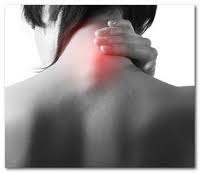



Vital Concepts on Neck Arthritis


Neck arthritis is also known as cervical spondylosis or chronic neck pain. It is a disorder that involves the abnormal wearing out of the bones and cartilages of your neck. This kind of pain in your cervical vertebrae is not  something you should take  lightly.

Continue reading

Guide to Nut Allergies

Nut allergies are a common sickness especially in children. Medical studies show that nut allergies happen when the body abnormally reacts to something that is not harmful. In the case of nut allergies, the body thinks that the nuts are harmful. In reaction, the body fights off the nuts by releasing antibodies.

The antibodies affect the respiratory system, skin and even the gastrointestinal tract. The symptoms of nut allergies may be characterized from a minor irritation to more severe reaction like anaphylaxis.

People with nut allergies may develop allergies when they eat all types of nuts and foods that contain nuts as ingredients. However, people with nut allergies are also advised avoiding foods that are also processed in machines that uses nuts.

You may also consider avoiding the nut trees as well because majority of people who have allergic reaction to foods with nuts, also develop allergies to nut trees.

What are the Symptoms of Nut Allergies?

Symptoms of nut allergies may develop within a couple of minutes after exposure. Some of the symptoms nut allergies may include:

  • Hives
  • Swelling
  • Itching feeling in the mouth
  • Diarrhea
  • Abdominal pain
  • Vomiting
  • Nausea
  • Heaviness of the chest
  • Wheezing
  • Runny nose


Severe nut allergies may result to anaphylaxis. This medical emergency requires medical treatment immediately. Some of the symptoms of anaphylaxis associated with nut allergies are:


  • Breathing problems
  • Swelling of the throat
  • Increased pulse rate
  • Lightheadedness
  • Loss of consciousness
  • Anaphylactic shock

When are the Causes of Nut Allergies?

Nut allergies develop when the body identifies the nuts mistakenly as harmful proteins. To fight off the allergens, they release chemicals into the bloodstream.  The exact cause of nut allergies are not known but exposure to nuts that can cause allergies may include:

  • Direct contact to the nuts may develop nut allergies. Direct contact includes eating the nuts or eating foods that contain nuts. Skin contact may also trigger nut allergies.
  • Cross contact to nuts may also trigger nut allergies. Cross contact includes foods that are exposed to nuts during food processing.
  • Inhalation can also cause nut allergies. Inhalation of peanut oil or flour may also cause nut allergies.

What is the Risk Factors Affecting Nut Allergies?

Nut allergies may develop to anyone but there are risk factors that increase the possibility of developing nut allergies.

Some of the risk factors of nut allergies are:

  • Age is one big factor in developing nut allergies. Studies show that infants and toddlers are more at risk of developing nut allergies.
  • Those who have history of nut allergies may also have another bout of nut allergies later on. Some children who have nut allergies may outgrow them but in some cases, nut allergies may recur.
  • If the person has, other food allergies may also develop allergies to nut.
  • If there are family members that have nut allergies, you are also at higher risk of developing nut allergies.
  • People with eczema may also develop nut allergies.

What are the Treatments for Nut Allergies?

1. Medications

A medication including antihistamines is the first form of treatment to nut allergies. It is used to lessen symptoms associated with nut allergies. It is normally taken right after the exposure to all types of nuts. However, antihistamines are not enough to stop symptoms of severe allergic reactions.


2. Injections

Injections are recommended to severe allergic reactions of nut allergies. You may ask your healthcare provider for auto injector since they may be used for emergency cases. However, auto injector should be handled with care. They should be carried with you at all times and likewise, make sure that they are not expired. Expired auto injectors may not work properly.


3. Visit the nearest hospital

Auto injectors may reduce the severity of symptoms but they may not really respond to severe cases of nut allergies. You have to visit your nearest hospital for severe reactions like anaphylactic shock.

 
 4. Avoid all types of foods that contain nuts

If you have previous allergic reaction to nuts, it is recommended that you avoid nuts and all foods that may contain nuts. Avoiding the allergen is the main treatment against nut allergies. Some of the foods that may contain nuts may include ice cream, cookies, energy bars, cereals and chocolate candies.


5. Read food labels

Do not assume that certain foods do not contain nuts. It is recommended that you read the food labels. Avoid foods that are also processed with nuts. If you are not sure whether the food does not contain nuts, you may avoid it all together to avoid possible exposure to nuts.


6. Let the teacher know

Let the teacher know that your child have nut allergies. This will help you monitor what your child eats and to avoid any episodes of nut allergies.


Nut allergies especially in children are one common reason for emergency trip to hospital. To avoid this, it is recommended that you monitor all the foods that your child eats to avoid any medical problems.

Acai and weight loss info

Acai (pronounced ah-sigh-ee) berries have been making headlines as one of the healthiest foods on the planet. They’re supposed to be good for weight loss, anti-aging, and more. But can acai really help you lose weight, as the online ads promise?

Grown in the Amazon River basin in Brazil, acai is a deep purple berry that tastes like a combination of wild berries and chocolate. The berry’s anthocyanin content gives it its rich purple color. Anthocyanins are powerful antioxidants that may protect the body against cancer, inflammation, diabetes, aging, neurological diseases, and bacterial infections.  Continue reading

DIY Remedies for Your Neck Ache


It is apparent that man has a large brain and encased in a solid skull. The head, in totality, weighs about eight pounds. Nothing but the cervical or neck spine, the upper back, muscles, and cartilages support it. This is why many people experience neck ache. With your daily activities, it is easy to put strain and stress on your muscles, ligaments, and tendons.

Continue reading

3 Effective Treatments for Testicular Cancer

Testicular cancer develops in the testicles or testes, which to be found in the scrotum, a loose bag of skin under the penis.  The testicles are the one responsible in producing sperm and male sex hormones for reproduction.  Testicular cancer is a type of cancer that considered being uncommon.  However, testicular cancer is the most frequent cancer that affects American males that occurs in between the ages of 15 and 34.

Testicular cancer may have several treatments that may depend on the type and stage of it.  Testicular cancer is very much treatable even if the cancer already reaches beyond the testicle.  It is important to have a regular testicular self-examination to detect early development and the possibility for favorable treatment great.

What are the signs and symptoms of testicular cancer?

Testicular cancer usually affects only one testicle.  Signs and symptoms of testicular cancer are the following.

  • Enlargement or presence of lump in either testicle
  • Dull pain in the groin or abdomen
  • Feeling of heaviness in the scrotum
  • A rapid collection of liquid in the scrotum
  • Pain or soreness in the scrotum or the testicle
  • Tenderness or swelling of the breasts

What are the causes of testicular cancer?

It is not yet understandable of what really causes testicular cancer.  Health care providers know that testicular cancer develops when the healthy cells in a testicle changed.  Normally, healthy cells develop and divide in a systematic way to maintain the body functioning generally.  However, in unknown reason some cells grow abnormally resulting to cancer cells.  These cancer cells will keep on dividing even when new cells are not needed.   These accumulating cells develop a mass in the testicle.  Almost all testicular cancer starts in the germ cells.  Germ cells are cells in the testicles responsible in producing immature sperm.  The reason why germ cells turn out to be abnormal and become cancer is not yet known.

What is the risk factors affecting testicular cancer?

There are factors that may increase the possibility of having testicular cancer they are the following.

  • Men whose testicle never descended during their fetal development have a greater possibility of having testicular cancer than to those men who have testicle that descended normally.  Even if the testicle has been transferred through surgical procedure to the scrotum, still the risk of developing testicular cancer remains.
  • Irregular development of testicle like Klinefelter’s syndrome may have greater possibility of having testicular cancer.
  • If testicular cancer runs in the family, you may also have greater possibility of developing testicular cancer.
  • Testicular cancer mostly affects men whose ages are between 15 and 34.  But it can develop at any age.
  • Testicular cancer mostly affects white men than black men.

What are the treatments for testicular cancer?

There are choices in treating testicular cancer which varies on the stage and type of testicular cancer, your preferences and your health generally.  Treatments for testicular cancer may include the following.

1.     Surgical procedure.

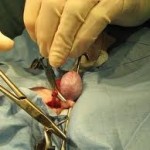
Removing the testicle through surgical procedure is the main treatment for almost types and stages of testicular cancer.  There will have anesthetics during the surgical procedure.  The procedure will be done by making incision in the groin then extracts the whole testicle through the opening.  If you prefer, a prosthetic, saline-filled testicle can be inserted.  Removing lymph nodes in the groin can also be done through surgical procedure.  Making large incision in your abdomen is the way to remove the lymph nodes.  Surgical procedure may be the only treatment needed in the early stage of testicular cancer.


2.     Radiation therapy.

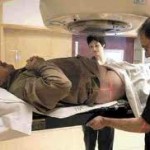
Radiation therapy is the choice treatment that is often used in men who have the seminoma kind of testicular cancer.  But radiation therapy can also be used in certain situations in men who have nonseminoma kind of testicular cancer.  This therapy makes use of high-powered energy beams like x-rays to kill the cancer cells.  Radiation therapy may have side effects like fatigue, skin redness and irritation in your groin and abdominal parts.


3.     Chemotherapy.

Chemotherapy treatment makes use of drugs to kill the cancer cells.  Chemotherapy frequently recommended by the doctor after having surgical procedure.  This can also be used before or after removal of the lymph node.  There are different side effects of chemotherapy drug depending on what being use.  The frequent side effects are nausea, fatigue, infertility, hair loss and increased possibility of having infection.  However, there are treatments and medications available that may help to lessen a number of the side effects of chemotherapy.


Regular testicular self-examination can be very helpful in early detection of testicular cancer.  Consult your doctor immediately if you observed any changes to the part or area of the body being concerned.


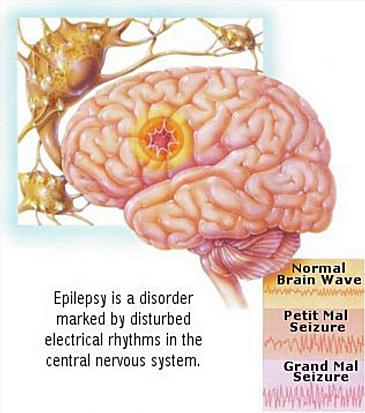
Absence seizures in children Part 2

Laboratory Studies

When evaluating a child for staring spells, laboratory tests for metabolic abnormalities or toxic or drug ingestion (especially in older children) may be indicated. If a clear history of the episodic nature of the attacks is obtained, then the EEG can be diagnostic and laboratory tests may not be necessary.

When evaluating a child with a developmental delay, or if the EEG reveals atypical absences, then a full work-up for the underlying cause of a symptomatic generalized epilepsy is indicated. Continue reading

5 Treatments for Rotator Cuff Injury

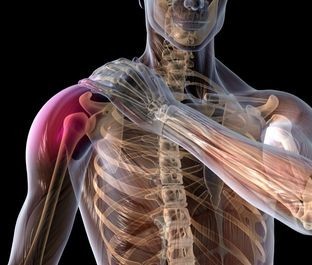
Rotator cuff is made up of tendons and muscles that are responsible for moving and stabilizing the shoulder joint. They also connect the upper arm bone to the shoulder blade. It also helps in holding the upper arm bone firmly in the shoulder socket. Continue reading

7 Natural Remedies of Ulcerative Colitis

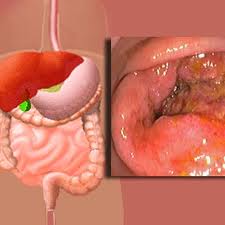
Ulcerative colitis is an inflammatory bowel disease or also called as IBD that causes the long-term swelling the inside part of the digestive tract.  Ulcerative colitis is a chronic disease that can be debilitating and at times may develop life-threatening complications.  Ulcerative colitis symptoms does not develop suddenly but frequently over a period of time. Continue reading

Ways to Remedy Neck And Arm Pain

Neck and arm pain can really be debilitating especially when your job or lifestyle is physically demanding. Time and employments are lost when such pain gets to you. This types of pain can either involve nerve loss or not. If there are no nerve malfunctions, a patient may resort to cervical traction, manipulation, analgesics, or cervical collars. If ever the pain still lasts for about four to six weeks, then there is already a need for further diagnostic exams like CT scan, discography, myelography, and MRI to really find out what is wrong.

Continue reading