10 Popular Natural Supplements For Anxiety to Include in Your Treatment Plan

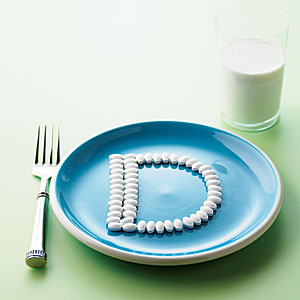
Everyday, people face threats, real or imagined. When you deal with imagined threats, you experience bouts of anxiety. With this, it can be said that anxiety attacks or disorders are common. There are many types of anxiety disorders that millions of people are diagnosed with worldwide such as post traumatic stress disorder, generalized anxiety disorder, and panic disorder. The said conditions could really debilitate the person and affect the overall lifestyle that he or she has.

Continue reading

How Natural Supplements For Acne Work for a More Beautiful You

Clear, healthy skin is the ultimate dream for most people. It is a constant and often daunting task to make sure that your skin remains flawless and unmarked as you go on through life. Skin problems come and go but acne will always be there to pester for most people. It is okay to have to face it during puberty but when you are the type of person who experiences acne until late adulthood, you definitely have a lifelong problem.

Continue reading

Natural Supplements For Depression: Vital Ingredients for a Brighter Mood

Depression is a silent enemy that creeps into the lives of about 20 M adult Americans annually. It is comparable to rust that corrodes the inner lining of a water pipe. Depression slowly bears down on individuals but it is common for them to just ignore it because they have this notion that it is natural for them to feel that way during trying times. But there are some people who know better and seek professional help.

Continue reading

What Natural Supplements for Menopause Can Do for Your Menopause Nightmare

Women always undergo the most painful and the most laborious physical changes. One of the major physical transformations that they experience is menopause. Menopause is the cessation of a woman’s menstruation. In this major stage of a woman’s life, hormonal, mental, emotional, and physical alterations almost happen at the same time. It can indeed be a roller coaster ride but it has to be accepted and dealt with.

Continue reading

5 cancer fighting foods

As researchers continue to wage war against cancer, many have begun to focus on what could be the most promising ammunition to date: diet.

“The easiest, least-expensive way to reduce your risk for cancer is just by eating a healthy diet,” says Rachael Stolzenberg-Solomon, PhD, MPH, RD, a researcher at the National Cancer Institute.

When it comes to a diet rich in cancer-fighting substances, most experts agree that it should consist of a predominantly plant-based diet. “If you have two-thirds of plant food on your plate, that seems to be enough to avoid excessive amounts of food high in saturated fat,” says Karen Collins, RD, nutritional advisor for the American Institute for Cancer Research. Continue reading

7 proper food combining rules

1.   Proteins DO NOT Combine with Starches!

This rule heads the list as being the worst of the disease-producing habits. If you know anything about the facts of digestion, you’ll realize that there’s no way this combination will ever digest. What about meat and potatoes, hamburgers, sub sandwiches, meat pizzas, macaroni and cheese, hot dogs and all? Take for example the hamburger-the meat is a protein and the bread is a starch. It takes a series of acid digestive juices to digest the protein and a series of alkaline digestive juices to digest the starch. Did you ever burn yourself in chemistry class with acid and were told to apply an alkaline to neutralize the acid? This same result is what happens to the digestive juices in the stomach when you eat a protein and a starch together. They neutralize themselves and NO DIGESTION IS THE RESULT. If it doesn’t digest properly, it rots in our stomachs. Continue reading

Epilepsy Treatment

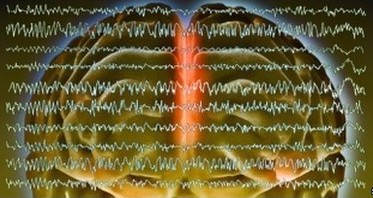
Epilepsy is the most common disorder of the nervous system and affects about 50 million people worldwide. However, in spite of the large numbers of people who have epilepsy, many people with the condition still face prejudice from others, often though lack of knowledge about what having epilepsy really means. Yet more people with epilepsy are realizing they can live, work and enjoy normal relations and be active members of society if their seizures are well controlled. Continue reading

Aplastic anemia

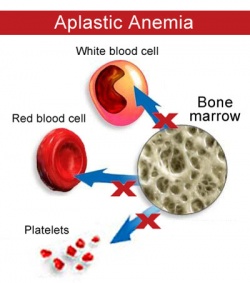
Aplastic anemia is a condition where bone marrow does not produce sufficient new cells to replenish blood cells. The condition, per its name, involves both aplasia and anemia. Typically, anemia refers to low red blood cell counts, but aplastic anemia patients have lower counts of all three blood cell types: red blood cells, white blood cells, and platelets, termed pancytopenia. Continue reading

Understanding Epilepsy

What is epilepsy?

Epilepsy is a disorder of the nervous system that can affect people of any age, sex, race, social class or nationality. Epilepsy can be caused by injury to the brain, due to trauma – such as a car accident or a head injury, a high fever caused by an infection, or as they get older some people develop epilepsy due to vascular disease, strokes, tumors and Alzheimer’s disease. Nonetheless, for many people, the cause of their epilepsy is never known. Continue reading

A1C blood test

The A1c test is used to monitor the glucose control of diabetics over time. The goal of those with diabetes is to keep their blood glucose levels as close to normal as possible. This helps to minimize the complications caused by chronically elevated glucose levels, such as progressive damage to body organs like the kidneys, eyes, cardiovascular system, and nerves. The A1c test  result give a picture of the average amount of glucose in the blood over the last few months. They can help you and your doctor know if the measures you are taking to control your diabetes are successful or need to be adjusted. Continue reading